Upcoming · 24 December 2026
A Little More Light 2026
Our Christmas Eve outreach, planned to reach over 200 children across three orphanages.
Nigeria
Research · Programmes · Advocacy · Partnerships
Sustainable development needs all three. Shape of Light is a Nigerian non-profit that researches the problems communities face, runs programmes that respond to them, and pushes for the changes that stop them coming back. We work in partnership, because none of it happens alone.
Explore our research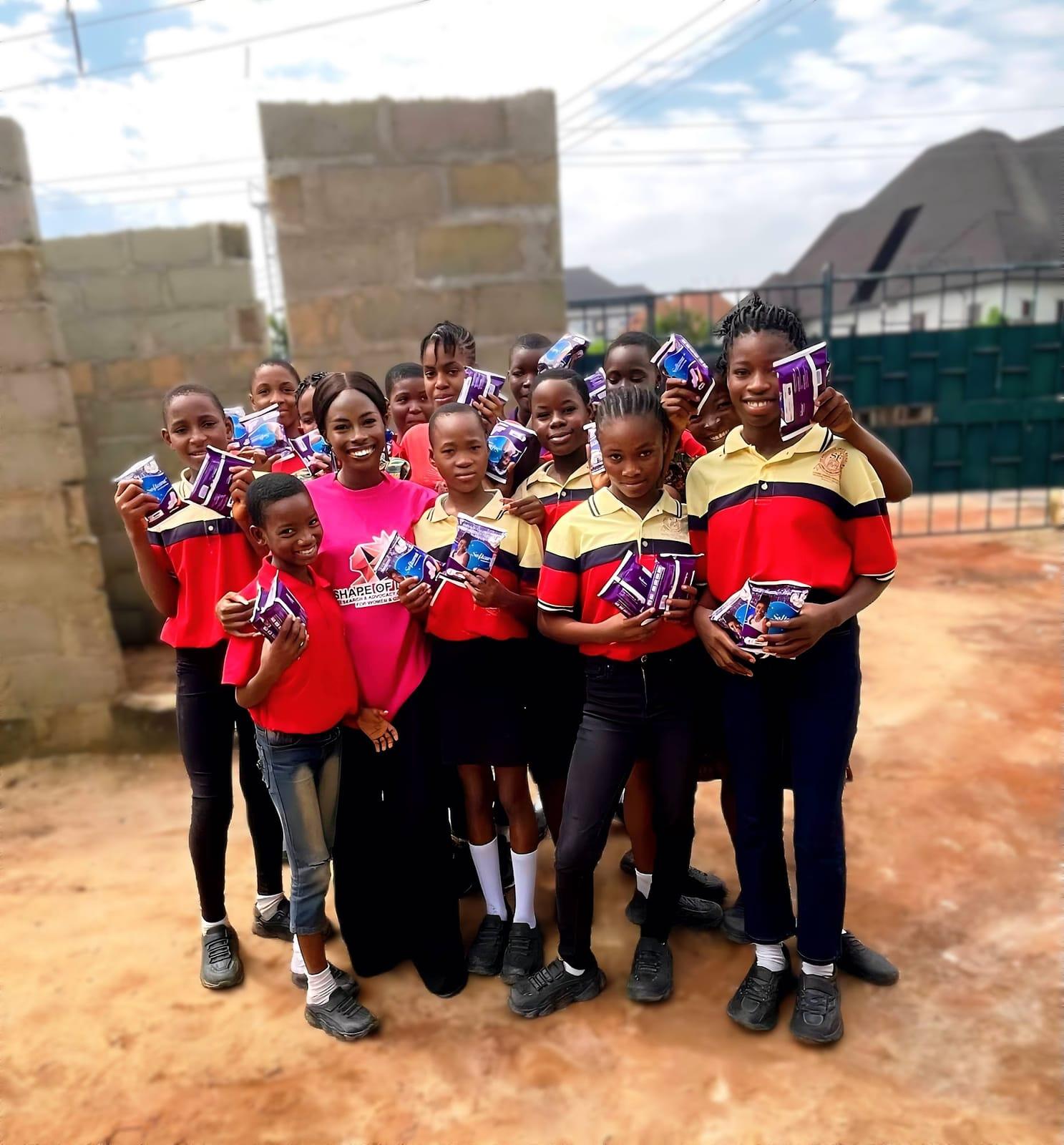
≈100
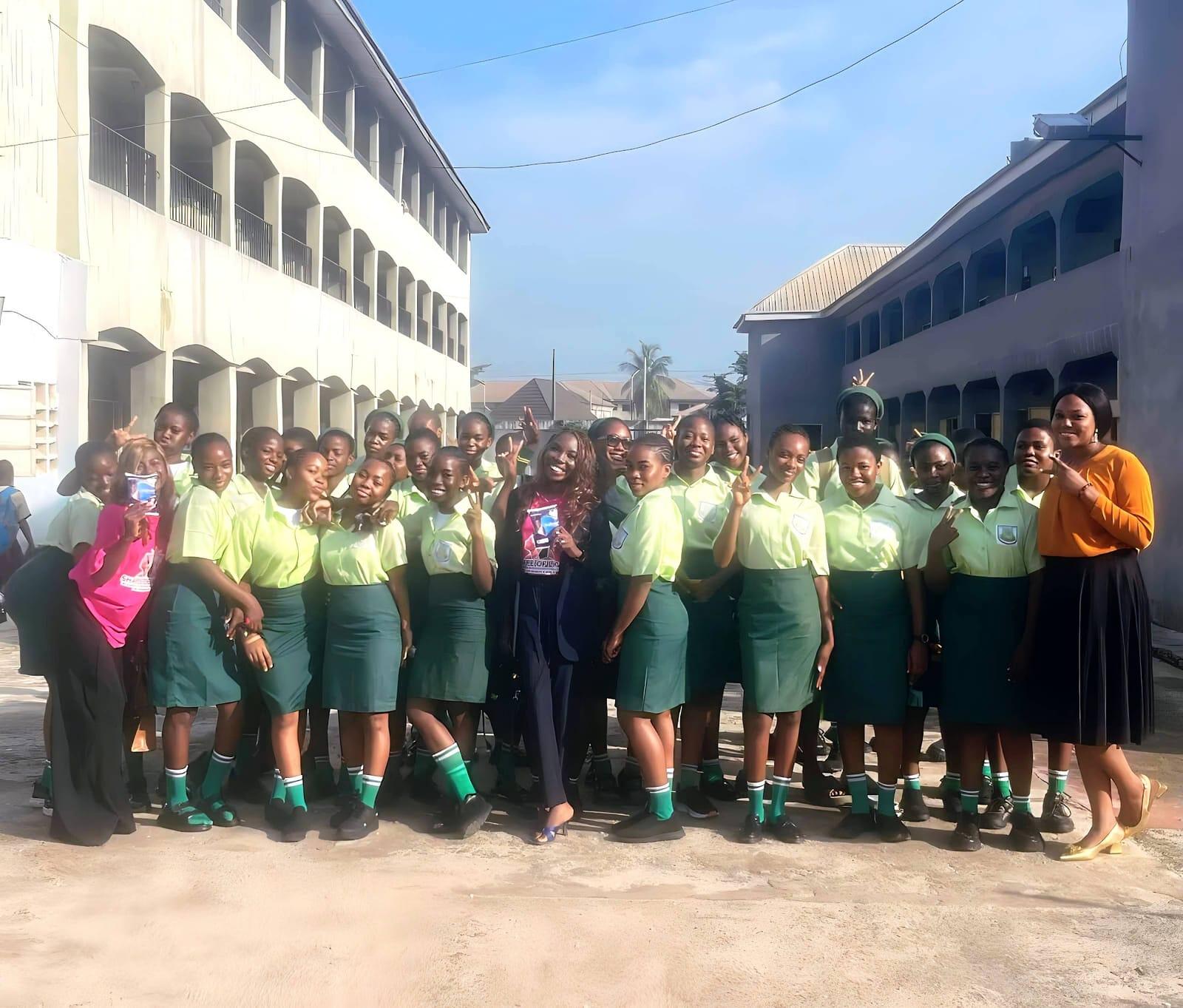
girls reached in school through Soft Landing
200+
children to be reached by A Little More Light this Christmas Eve
4
research publications on women, girls and development
6
initiatives across health, safety, education and civic life
01
We study what is happening and why. We read the public data closely, gather our own, and publish it in language that a policymaker and a 17-year-old can both use.
Research & Knowledge02
We run programmes that respond to what the evidence shows, starting with the communities we know best, and we report only what has actually happened.
Our initiatives03
We take findings to the people who make decisions. We hold ourselves to the same standard, publishing what our work has and has not achieved.
How we hold ourselves to account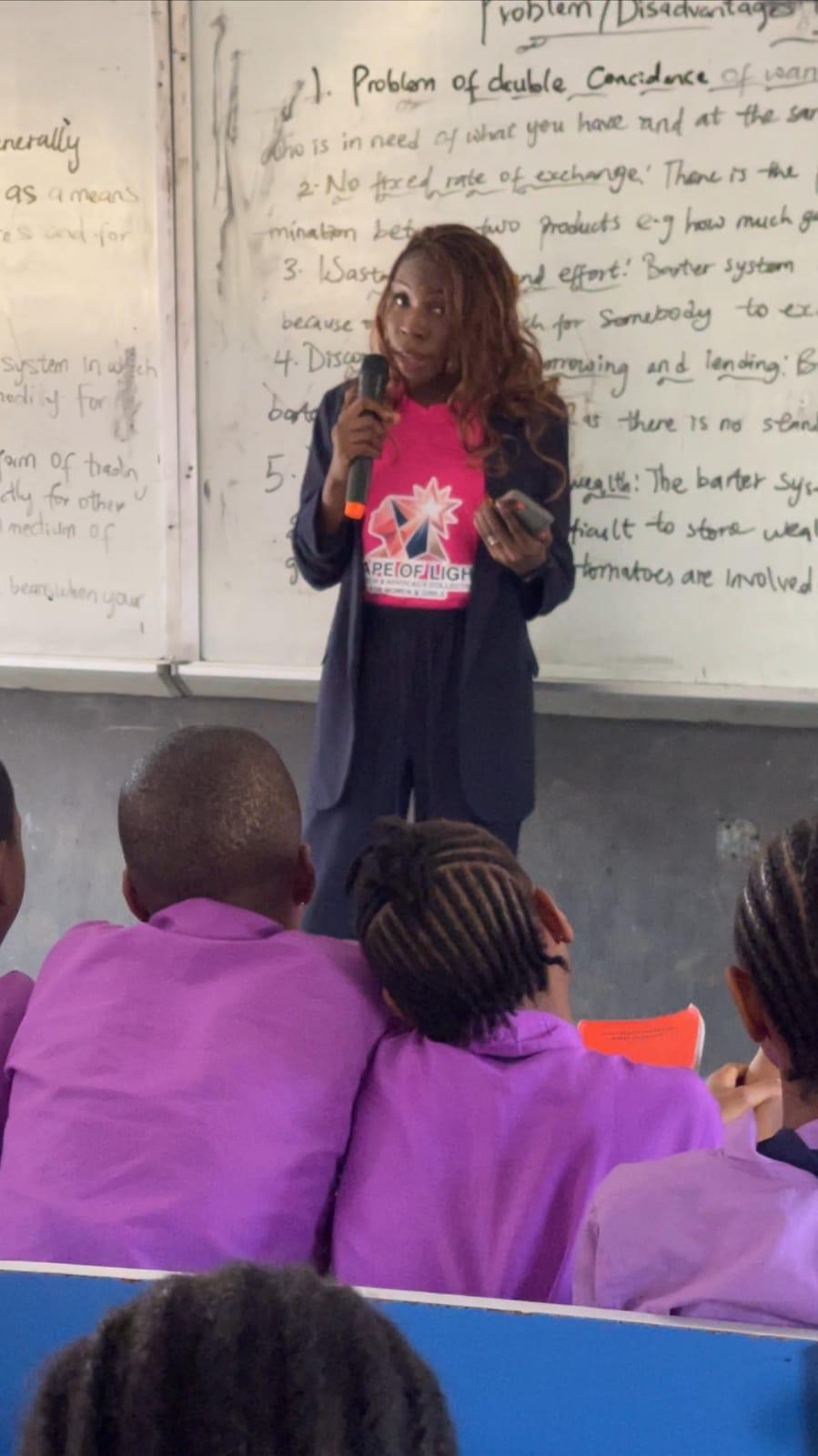
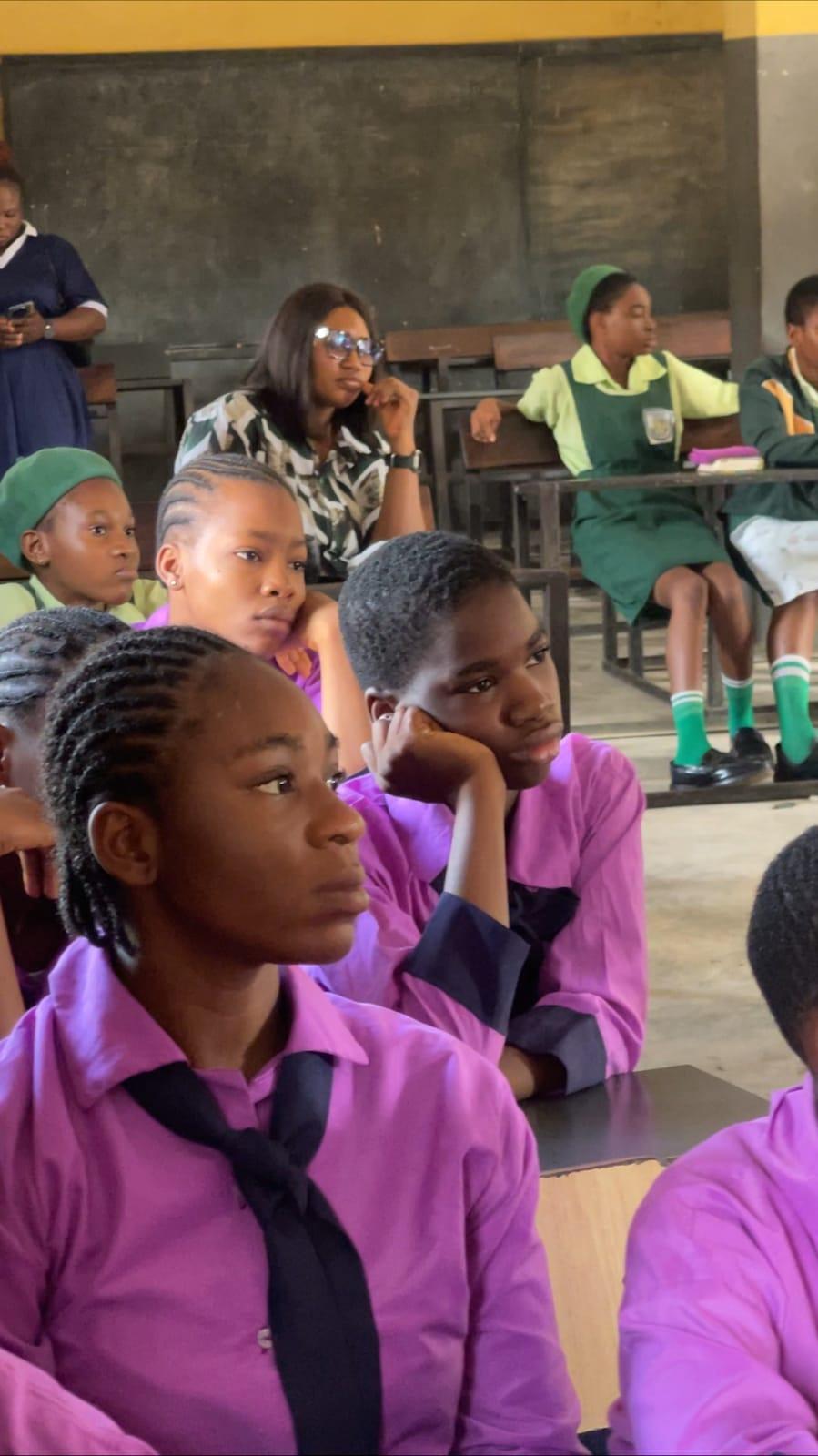
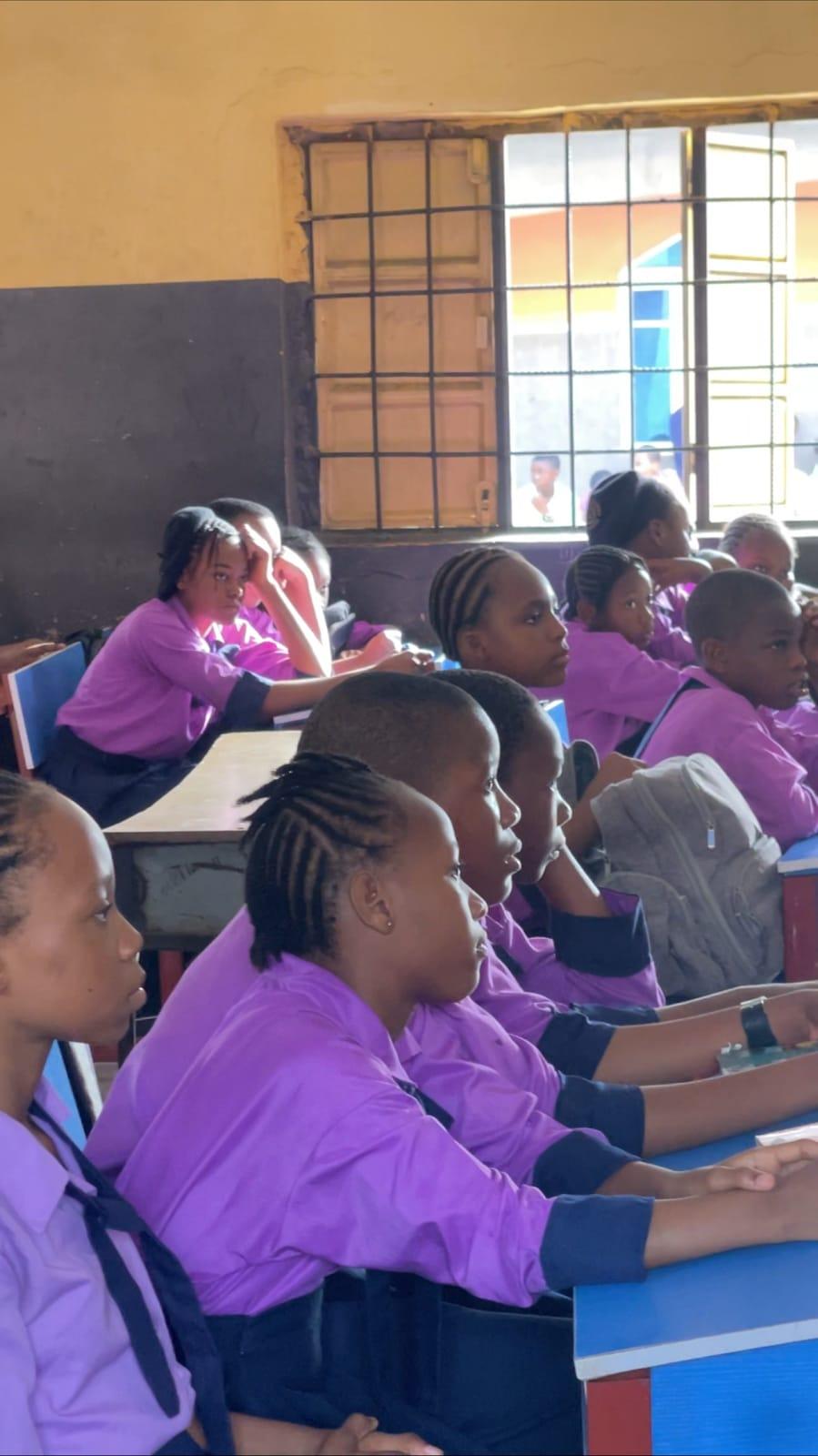
From the field · Soft Landing
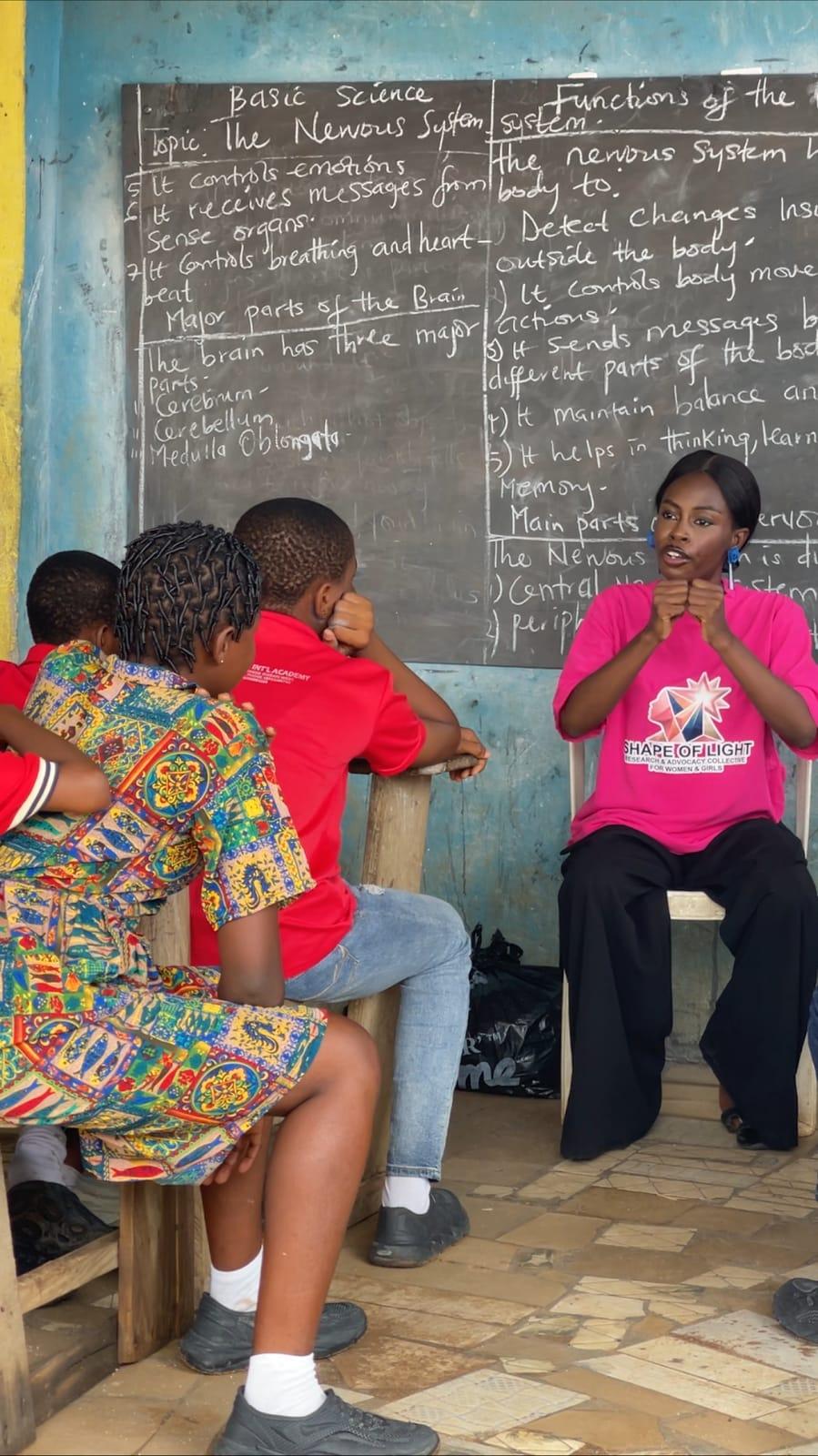
When girls cannot afford sanitary products, or have never been given clear information about menstruation, many miss school, feel ashamed, or manage with unsafe materials. Our publication Bleeding Inequality looks at how period poverty connects to school dropout and child marriage in Nigeria.
Soft Landing works in schools to hold open, age-appropriate conversations about menstruation, and pairs those conversations with practical support.
How our work is organised
Latest research · Data paper
April 2026
Between 2021 and 2025, Nigeria recorded at least 62,908 conflict-related deaths: about 34 a day, or one every 45 minutes. This paper brings together government and non-governmental data on insecurity in Nigeria from 2021 to 2026, and shows how the violence reaches beyond loss of life to reshape the economic lives of women and girls.
At least 62,908 conflict-related deaths were recorded between 2021 and 2025, about one every 45 minutes (ACLED and VerivAfrica datasets).
The National Bureau of Statistics recorded 614,937 people killed by insecurity in a single 12-month period (May 2023 to April 2024), roughly 29 times the figure in conflict-tracking databases for a similar period. The gap suggests most insecurity-related deaths go unrecorded in those databases.
Between 2.1 and 3.3 million people have been displaced by insecurity, most of them women and children.
In conflict-affected areas such as Borno State, over 70% of women have lost their primary source of income, 62.2% have lost farmland and 49.8% have lost livestock.
Our initiatives
Status: OngoingSoft LandingA menstrual health initiative that gives girls accurate information and practical support, so that their period does not cost them school days or confidence. Soft Landing has reached approximately 100 girls.Read more From the Data Hub
62,908
conflict-related deaths recorded, about 34 a day or one every 45 minutes
2021–2025. Source: ACLED and VerivAfrica datasets
2.1–3.3 million
people internally displaced, most of them women and children
As reported up to 2026. Source: SOS Children's Villages Nigeria; World Food Programme
26.1% vs 18.3%
of women, compared with men, excluded from the labour force nationally
As reported up to 2026. Source: Women in Internally Displaced Persons Camps: Nurturing Growth and Strength (WINGS)
Sustainable Development Goals
Upcoming · 24 December 2026
Our Christmas Eve outreach, planned to reach over 200 children across three orphanages.
Nigeria
9 November 2026
9 November 2026
We work with schools, community groups, researchers, funders and public institutions. If your work touches any of our pillars, we would like to hear from you.